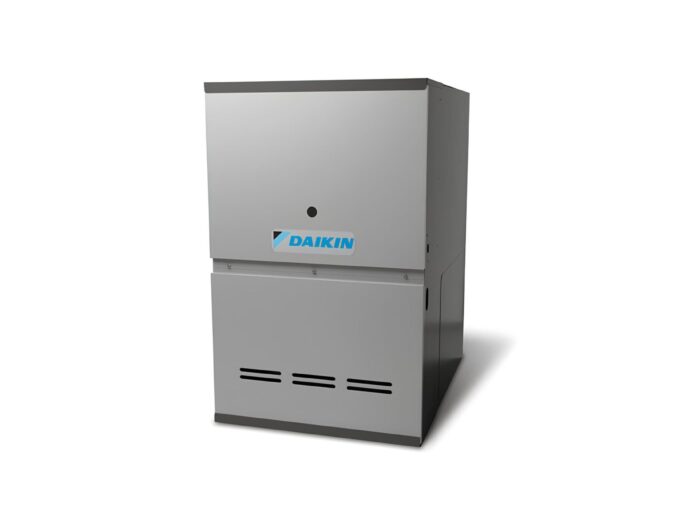
Brooklyn’s brownstones, co-ops and multi-family buildings run on boilers — steam and hot-water, gas-fired and oil-fired. When one stops, the whole building feels it; and the same symptom (no heat, noise, a leak) has different causes on different systems. Fuse HVAC & Appliance Repair New York diagnoses and repairs all of them across Brooklyn, Manhattan, Queens, Staten Island and Nassau County. Every visit starts with testing: $99 + tax, credited in full when you approve the repair. You approve one fixed price before any work begins, and every repair is backed by a 90-day labor warranty.
Which Boiler Do You Have?
Steam — radiators that hiss and bang, a glass water tube (sight glass) on the boiler, one or two pipes at each radiator.
Hot-water (hydronic) — a pressure gauge, an expansion tank, baseboards or radiators that warm evenly, often split into heating zones.
Gas-fired — a gas line into the burner; ignition that clicks or glows before firing.
Oil-fired — an oil tank and filter; a burner motor that spins up with a hum.
Not sure? That is normal — the diagnostic establishes the system and the fault together. The sections below are organized the same way our technicians work: by system first, then by fuel.
Our Boiler Services
One visit can cover diagnostics, repair and maintenance for steam and hot-water boilers, on gas and oil. Work that requires a city license is performed by a licensed specialist we engage — inside the same job and the same fixed price.
Repair and Component Service
- Burner repair and replacement
- Ignition repair — pilot, igniter and flame-sensor faults
- Circulator pump repair and replacement
- Zone valve repair and replacement
- Expansion tank replacement
- Pressure relief valve replacement
- Aquastat and boiler control repair
- Low-water cutoff testing and replacement
- Automatic water feeder and backflow preventer service
- Steam vent, trap and radiator valve service
- Sight glass, gauges and pressuretrol service
- Thermostat and control repairs
Maintenance
- Annual boiler maintenance and tune-up
- Burner cleaning and combustion setup
- Steam venting checks
- Steam radiator balancing
- Hot-water system bleeding and pressure checks
- Safety control testing — low-water cutoff, relief valve, flame safeguard
Installation and Replacement
- Boiler replacement and new boiler installation — performed by a licensed specialist we engage
- Boiler sizing and system matching for steam and hot-water systems
Steam Boiler Problems We Repair
Water Hammer (Banging Pipes)
Usually condensate trapped where it cannot drain back: failed traps, a clogged wet return, wrong pitch, or a boiler water level running too high. We trace where the water is held up instead of just turning the pressure up.
Some Radiators Cold, Others Too Hot
Classic distribution failure: clogged radiator air vents on one-pipe systems, failed steam traps on two-pipe systems, or missing main venting. We test vents and traps radiator by radiator.
Boiler Keeps Shutting Off
Low-water cutoff trips from a bouncing water line (dirty water, surging), a failed automatic feeder, or a pressuretrol set or functioning wrong. We test the cutoff, the feeder and the pressure controls in sequence.
Boiler Flooding
Too much water points to an automatic feeder that overfeeds, a leaking feeder valve, or condensate that returns slowly and then all at once. We establish which before replacing parts.
Dirty, Surging Water
A boiler that foams and bounces usually needs skimming and water-side cleaning — sometimes after earlier work contaminated the water. We confirm by watching the gauge glass under steam.
Steam and Water Leaks at Radiators
Packing leaks, failed radiator valves and unions — located exactly, then repaired or replaced.
Low-water cutoff problems (steam boilers). On a steam boiler, the low-water cutoff is the safety control that shuts the burner down if the water level falls too low. A boiler that keeps shutting off, or that will not fire even though there is a call for heat, can have a dirty probe, a scaled float chamber, or a failed control behind it — and running a steam boiler low on water can damage it severely. Testing or replacing a low-water cutoff is licensed boiler work: it is performed by the licensed specialist we engage, after diagnostics confirm the fault.
Steam Radiator Balancing
In one-pipe and two-pipe steam systems, some radiators overheat while others stay cold when the venting is uneven. We balance the system by calculating and setting adjustable air vents for each radiator: the venting rate is matched to the radiator’s size and to the area it has to heat, so the radiators nearest the boiler vent more slowly and the far ones vent faster. We also check the main air vents, radiator pitch and trap condition, and set the system pressure correctly — so heat reaches every radiator evenly instead of scorching the rooms nearest the boiler.
Hot-Water Boiler Problems We Repair
No Heat at All
Ignition or control faults, tripped safeties, or a circulator that never starts. We follow the call for heat from the thermostat to the burner to the pump.
Pressure Keeps Dropping
A waterlogged expansion tank, a faulty feed valve, or a slow leak losing water as fast as it is made up. We check the tank charge, the feed and relief valves, and the visible piping before concluding. On a healthy sealed system, pressure essentially never needs topping up — repeated loss is a fault, not maintenance.
One Zone Cold, Others Fine
A failed zone valve, a seized circulator, or air locked in that loop. We test zone by zone and bleed where needed.
Relief Valve Dripping
Either the valve itself has failed, or system pressure is genuinely running high (expansion tank or feed problem). We measure actual pressure rather than swapping the valve blindly. The relief valve is a safety device: never plug, cap or close it off to stop a drip.
Kettling or Rumbling
Scale and restricted flow near the heat exchanger, or a failing circulator letting water near-boil locally. We confirm flow and temperature rise across the boiler.
Combi Boilers and Indirect Water Heaters
Combi Boiler: No Heat or No Hot Water
A combination (combi) boiler provides both space heating and domestic hot water from one unit. When a combi stops producing hot water, heats slowly, or shows an error code, the cause can be a diverter valve, a plate heat exchanger scaled with mineral deposits, a flow sensor, or a control fault — and the same unit can lose heating and hot water together, or only one of the two. We diagnose combi units from the symptoms and the fault codes first — including Navien and NTI models — and quote the repair before any work begins.
Indirect Water Heater: No Hot Water
An indirect water heater uses the boiler to heat a separate storage tank, so a ‘no hot water’ complaint can come from the tank, its circulator or zone valve, the aquastat, or the boiler itself. We test which side of the system has failed before recommending any part. Work on boiler-side piping is performed by the licensed specialist we engage.
Gas Boiler Problems We Repair
Boiler Will Not Ignite
Failed igniter, a pilot that will not stay lit, no call from the controls, or a safety open in the chain. We test the ignition sequence step by step, to the exact failed step.
Ignition Lockout — Keeps Needing a Reset
The boiler tries and gives up: dirty flame sensor, weak igniter, poor grounding, or venting/pressure-switch faults on induced-draft models. We measure the flame signal (microamps) instead of guessing. Do not keep resetting a lockout repeatedly — book a diagnostic.
Starts, Then Stops After a Minute
Flame proving marginal, overheating on a limit switch, or condensate/venting issues on high-efficiency models. We log the run and read the fault history where the control stores it.
Safety Note — Smell of Gas
If you smell strong gas, leave the building, and from outside call your utility or 911. Do not book a repair visit for an active gas smell — that is an emergency for the utility, not a service call.
Oil Boiler Problems We Repair
Burner Will Not Start
Tripped primary control, no power, a failed burner motor, or an empty or blocked oil supply. We check power, control state and fuel delivery in order.
Burner Starts, Then Locks Out
The flame is not being proven: a fouled cad cell (flame sensor), a weak ignition transformer, or a flame that never establishes (nozzle, pump pressure, air). We measure the cad-cell reading and inspect the nozzle and electrodes.
Delayed Ignition — Rumbling, Booming Starts
Oil is pooling before it lights: worn nozzle, wrong spray pattern, weak spark, or draft problems. This damages boilers if ignored — we find which.
Soot, Smoke, or a Puffback
Poor combustion: clogged nozzle, dirty burner, blocked flue passages, or a boiler overdue for cleaning. We correct the cause, not just the mess.
Burner Loses Prime or Runs Rough
Air in the oil line, a clogged filter or strainer, or a failing pump. We test vacuum and pressure at the pump. An oil burner also needs a proper cleaning and tune-up about once a year — most no-start calls we see are overdue-service boilers, and we will say so honestly during the visit.
Before You Press Reset Again
One press at most. Repeated resets pump unburned oil into the chamber and can cause a dangerous puffback. If it trips again, book a diagnostic.
How Boiler Diagnostics Work
We verify the call for heat and thermostat operation; test the ignition or burner sequence; check every safety control (low-water cutoff, pressuretrol, rollout and spill switches); measure pressure and temperature; test the circulator and zone valves on hydronic systems; check traps and venting on steam systems; test fuel delivery and flame proving on the burner; inspect the expansion tank and feed/relief valves; and find the source of any leak or noise. The diagnostic is $99 + tax, credited in full toward your approved repair — and the repair price is fixed and approved by you before work starts.
Boiler Repairs We Perform
Circulator pumps · zone valves · expansion tanks · feed and pressure-reducing valves · pressure relief valves · steam traps and air vents · low-water cutoffs and pressuretrols · igniters, flame sensors and pilot assemblies · ignition and control modules · oil burner nozzles, electrodes, cad cells, primary controls, ignition transformers, burner motors, oil pumps, filters and strainers · burner cleaning and setup · thermostat and control repairs. Where a job involves work that must be performed by a licensed specialist — for example gas-valve or gas-piping work — that part is performed by a licensed specialist we engage, inside the same job and the same fixed price. We tell you before work begins; you still deal with one company.
See also: Heating Repair · Furnace Repair
Boiler Repair FAQ
How much does boiler repair cost?
The diagnostic visit is $99 + tax, credited in full if you approve the repair. After testing, you receive one fixed price for labor and parts before any work begins. The total depends on the failed part, so we never quote a final price from a phone description.
Do you repair steam boilers?
Yes — one-pipe and two-pipe steam systems, common in older Brooklyn buildings, as well as hot-water (hydronic) boilers, gas-fired and oil-fired.
Is a boiler the same as a furnace?
No — a boiler heats water or makes steam; a furnace heats air. For air systems, see Furnace Repair.
Which brands do you service?
We service all major boiler brands, including Weil-McLain, Burnham, Peerless, Slant/Fin, Crown, Navien, NTI, Lochinvar, Viessmann, Bosch/Buderus, IBC, Laars, Rinnai, Triangle Tube, Dunkirk, New Yorker, Utica, Williamson, HB Smith and Raypak. Parts are covered by the applicable manufacturer or supplier warranty shown on your receipt.
Is there a warranty on the repair?
Yes — a 90-day labor warranty on every repair. Parts are covered by the manufacturer or supplier warranty, as specified on your receipt.
How fast can you come out?
We schedule visits Monday through Friday, 10 AM to 6 PM. Call (917) 997-4525 or request service online, and we will offer the earliest available appointment and confirm your arrival window.